
10 Common Garage Door Problems (And How to Fix Them)
Is your Garage Door Problems giving you trouble? You’re not alone. Many homeowners face issues with their garage doors, from faulty openers to worn-out springs.
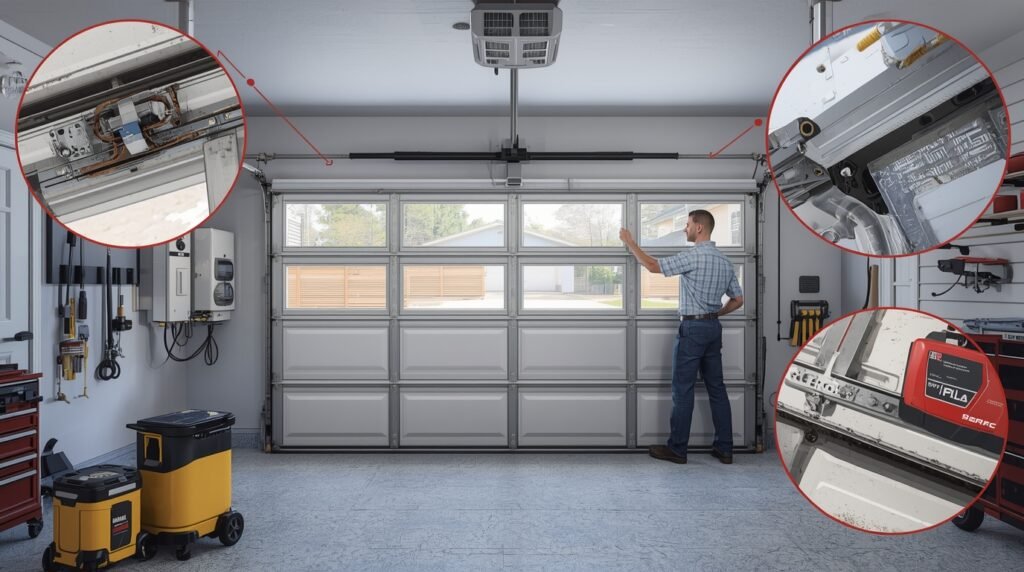
These common garage door issues can be frustrating and even pose safety risks if left unaddressed. In this article, we’ll explore the most frequent garage door problems and provide you with practical solutions to get your door working smoothly again.
Key Takeaways
- Understanding the most common issues with garage doors
- Learning how to diagnose and fix problems with your garage door
- Discovering safety tips for handling garage door repairs
- Finding out when to call a professional for garage door repair
- Getting tips on maintaining your garage door to prevent future issues
Understanding 10 Common Garage Door Problems
A well functioning garage door is essential for home security and convenience, but it can be prone to various problems. Garage doors are complex systems with many moving parts, making them susceptible to wear and tear. Understanding these common issues is the first step towards maintaining your garage door and preventing minor problems from becoming major repairs.
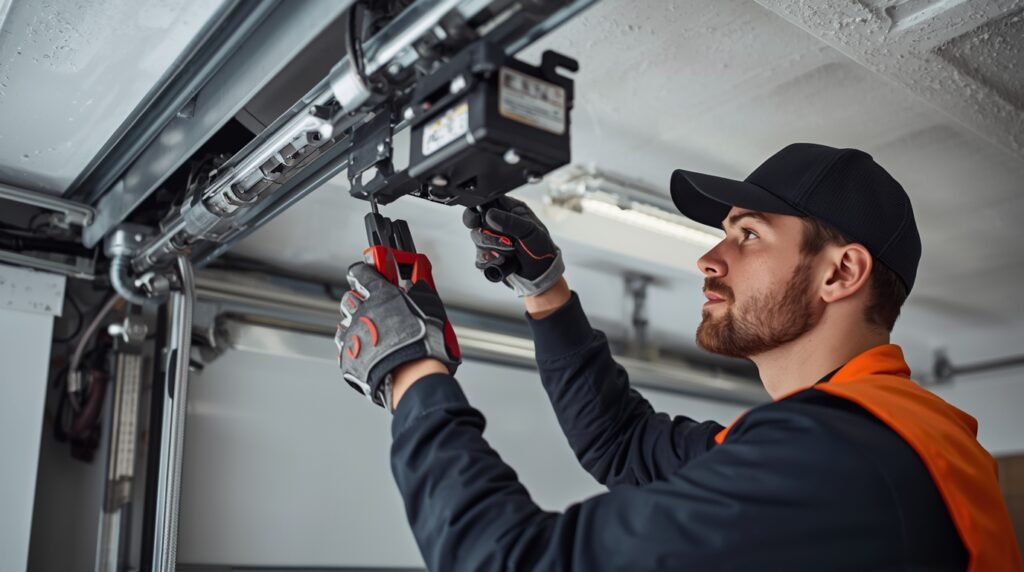
The Importance of Prompt Garage Door Repairs
Prompt garage door repairs are crucial for maintaining the safety and functionality of your garage door. Ignoring minor issues can lead to more significant problems, such as broken springs or damaged tracks, which can be costly to repair. Moreover, a malfunctioning garage door can compromise home security, leaving your property vulnerable. Regular garage door maintenance can help identify potential issues before they become major problems.
By addressing garage door issues promptly, homeowners can avoid the inconvenience of being locked out or having to deal with costly emergency repairs. It’s also important to note that some garage door issues can be safety hazards, especially for households with children or pets. For instance, a garage door that doesn’t reverse properly can cause accidents.
When to DIY vs. Call a Professional
When it comes to garage door repairs, homeowners often wonder whether they should attempt a DIY fix or call a professional. While some minor issues can be resolved with DIY garage door repair, more complex problems require the expertise of a professional. For example, replacing garage door springs or fixing electrical issues is best left to professionals due to the potential safety risks involved.
On the other hand, tasks like lubricating moving parts or tightening loose screws can be done by homeowners as part of regular garage door maintenance. It’s essential to assess your comfort level and the complexity of the issue before deciding whether to DIY or call a professional. If you’re unsure, it’s always best to err on the side of caution and consult a professional to ensure the job is done safely and correctly.
Mechanical Garage Door Issues
Understanding the mechanical aspects of garage door problems is crucial for effective repairs. Mechanical issues can range from minor annoyances to major malfunctions that compromise the safety and security of your home.
Noisy Operation
A garage door that operates noisily can be a significant disturbance. The causes often relate to worn-out or loose parts.
Causes and Solutions
The noise could be due to loose hardware, worn-out rollers, or lack of lubrication on moving parts. Tightening loose hardware and lubricating the rollers and hinges can often resolve the issue.
- Lubricate moving parts regularly
- Tighten any loose screws or bolts
- Replace worn-out rollers
Broken Springs
Broken springs are a common issue that can render your garage door inoperable. Understanding the type of springs your door uses is key to fixing the problem.
Identification and Replacement Options
Garage doors typically use either torsion springs or extension springs. Identifying which type you have is crucial for replacement. It’s often recommended to hire a professional for this task due to the high tension involved.
| Spring Type | Characteristics | Replacement Difficulty |
| Torsion Springs | Mounted above the door, they torsion to lift the door | High |
| Extension Springs | Run along the sides, they extend to lift the door | High |
Damaged or Misaligned Tracks
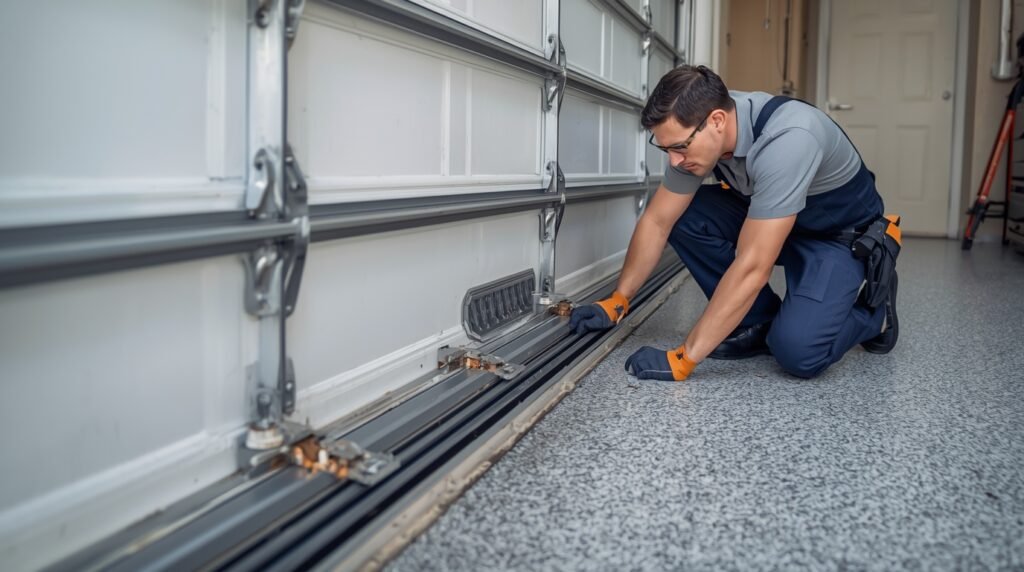
Tracks guide the garage door as it opens and closes. When they become damaged or misaligned, the door’s operation is compromised.
Realignment Techniques
Realignment involves loosening the track bolts, gently tapping the track into its correct position, and then tightening the bolts. Regular inspection can prevent misalignment.
Broken Cables
Cables work in conjunction with springs to lift the garage door. When they break, the door can become stuck or fall.
Safety Precautions and Repair Steps
Repairing broken cables requires caution due to the tension involved. It’s advisable to release the tension before attempting repairs and to consider seeking professional help.
Safety first: Always release tension before attempting cable repairs.
Electrical and Operational Problems
While mechanical issues are common, electrical and operational problems are another significant category of garage door malfunctions. These issues can be just as disruptive, affecting the convenience and security of your home.
5. Door Won’t Open or Close
A garage door that refuses to open or close is not only frustrating but also a potential security risk. This issue often stems from electrical or operational problems.
Troubleshooting Steps
To resolve this, start by checking the power source and ensuring the garage door opener is properly plugged in. If the issue persists, inspect the circuit breaker or fuse related to the garage door opener. Sometimes, the problem might be with the remote control or the wall switch.
- Check for any obstructions in the door’s path.
- Inspect the safety sensors for dirt or misalignment.
- Verify that the garage door opener’s settings are correct.
6. Remote Control Malfunctions
Remote control issues can be particularly inconvenient, as they prevent you from operating your garage door from a distance. This problem can often be traced back to simple causes.
Battery and Programming Solutions
First, check the batteries in your remote control. Weak or dead batteries are a common cause of malfunction. If replacing the batteries doesn’t solve the issue, try reprogramming the remote control to the garage door opener.
“A simple battery replacement can often resolve remote control issues, saving you the hassle of more complex repairs.”
7. Garage Door Opener Issues
The garage door opener is the heart of your garage door system, and issues here can significantly impact functionality.
Motor and Chain Drive Repairs
Problems with the garage door opener’s motor or chain drive can cause the door to malfunction. Listen for unusual noises or observe if the motor is running without the door moving.
If you notice any unusual noises or the motor is running without moving the door, it may indicate a problem with the chain drive or motor itself. In such cases, professional repair or replacement might be necessary.
8. Safety Sensor Problems
Safety sensors are a critical component of modern garage door systems, preventing accidents by detecting obstructions.
Alignment and Wiring Fixes
If your garage door doesn’t close, it might be due to misaligned or dirty safety sensors. Check that the sensors are properly aligned and free from dirt or debris. Also, inspect the wiring for any damage or loose connections.
- Clean the sensor lenses with a soft cloth.
- Ensure the sensors are aligned correctly.
- Check for any wiring issues or damage.
9. Door Reverses Before Closing
If your garage door reverses before fully closing, it’s often a sign of a sensitivity or obstruction issue.
Adjustment Procedures
To fix this, adjust the sensitivity settings on your garage door opener. Also, check for any obstructions in the door’s path that might be causing it to reverse prematurely.
10. Weather Seal Damage
The weather seal at the bottom of your garage door helps protect your garage from the elements.
Replacement Guidelines
If the weather seal is damaged or worn out, it can lead to drafts, water intrusion, and pest issues. Inspect the seal regularly and replace it when necessary.
Replacement is relatively straightforward and can significantly improve your garage’s comfort and energy efficiency.
Conclusion
By understanding the common issues that can affect your garage door, you’re better equipped to troubleshoot problems and determine when to call a professional. Regular garage door maintenance tips can help prevent many of the issues discussed, such as noisy operation, broken springs, and damaged tracks.
Effective garage door troubleshooting involves being aware of the signs of wear and tear, and addressing them promptly. This not only ensures the smooth operation of your garage door but also enhances safety and security.
By following the guidelines outlined in this article, homeowners can take proactive steps to maintain their garage doors, reducing the need for costly repairs and ensuring the longevity of the door. Whether it’s a simple adjustment or a more complex repair, being informed is key to keeping your garage door in optimal condition.
Pingback: Automatic Garage Door Repair: Fast, Reliable Service -