
Residential Garage Door Spring Installation: A Complete Guide for Homeowners
One of a home’s most important characteristics is its garage door. They improve curb appearance, offer security, and simplify daily living. However, your entire system may malfunction when the garage door springs fail, leaving you stuck with a door that isn’t opening or closing correctly. Installing springs for residential garage doors is an important undertaking that calls for expertise, accuracy, and attention to safety.
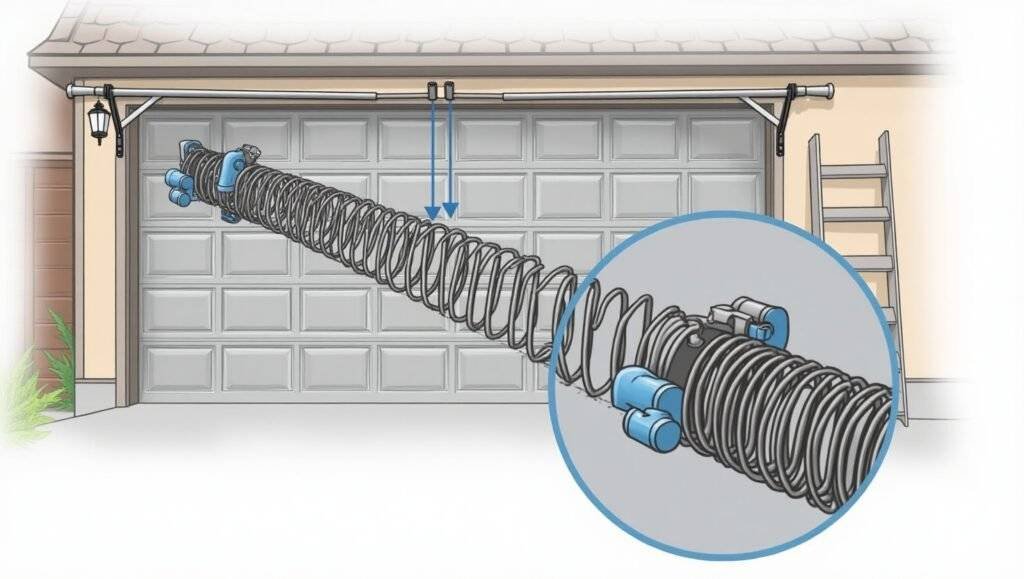
In this detailed guide, we’ll cover everything you need to know about garage door springs, signs of damage, professional installation vs. DIY repair, safety tips, and how to extend the lifespan of your garage system.
Understanding Garage Door Springs
Garage door springs are the backbone of the door’s movement. They carry the heavy weight of the door and make it possible to lift manually or with an opener.
There are two main types of springs used in residential garage doors:
Torsion Springs – Located above the garage door opening, these springs use torque to lift and lower the door. They are durable and commonly found in modern homes.
Extension Springs – Positioned on the sides of the garage door tracks, these springs extend and contract to balance the weight. They are often used in lighter or older garage doors.
Without properly functioning springs, your door opener motor would be overworked, potentially leading to expensive damage.
Signs You Need Garage Door Spring Replacement
Springs wear out over time, and ignoring early warning signs can lead to sudden failure. Look out for these symptoms:
Door Feels Heavy – If lifting your garage door manually feels harder than usual, the springs may have lost tension.
Uneven Movement – A door that jerks, tilts, or gets stuck while opening indicates spring imbalance.
Loud Noises – Grinding, squeaking, or snapping sounds are signals of a failing spring.
Visible Gaps – Springs that appear stretched or separated are damaged.
Door Won’t Stay Open – If the door slams shut instead of holding in place, the springs are faulty.
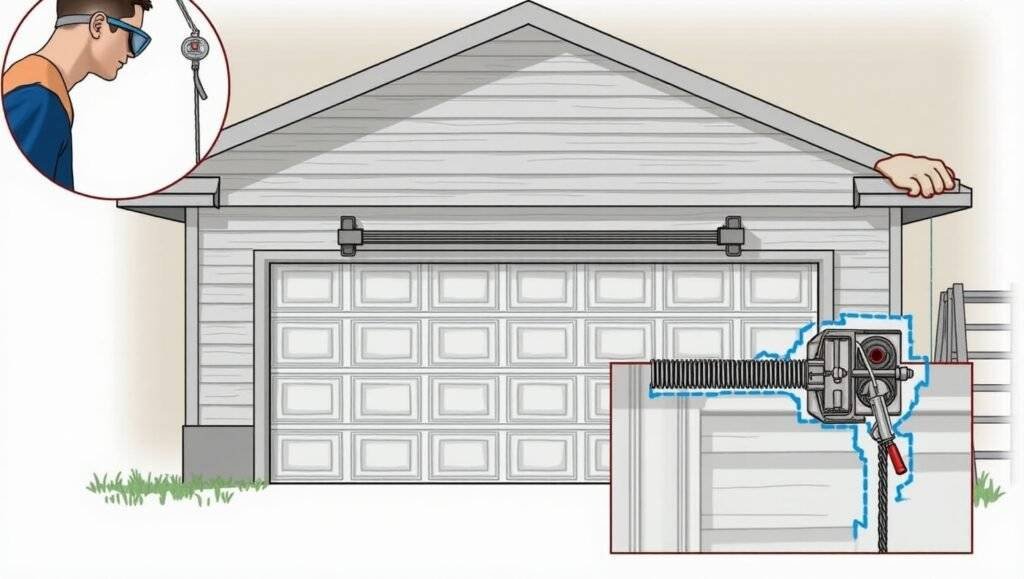
Why Professional Garage Spring Installation is Recommended
Many homeowners wonder whether they should attempt to replace garage door springs themselves. While DIY is possible, it carries significant risks. Springs are under high tension, and improper handling can cause severe injuries.
Benefits of hiring a certified garage technician:
Correct tools and safety equipment.
Accurate spring size measurement for proper balance.
Same-day service to restore convenience quickly.
Warranty on parts and labor.
Peace of mind knowing the job is done safely.
DIY Garage Door Spring Installation: What to Know
If you’re considering a do-it-yourself approach, preparation and caution are essential.
Tools you’ll need:
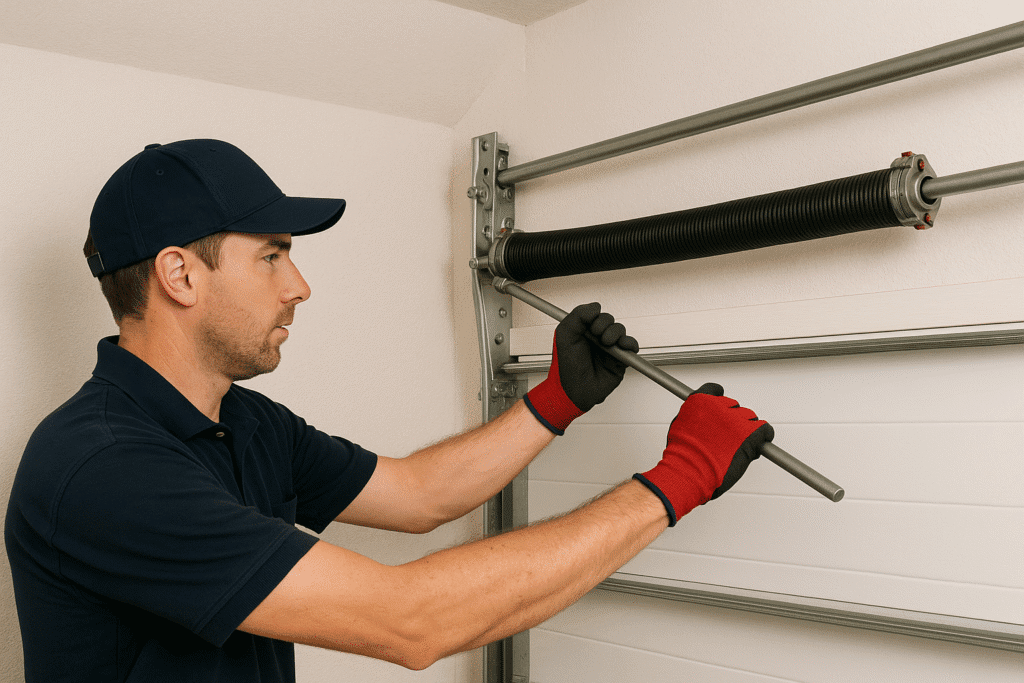
Winding bars (never use screwdrivers)
Socket wrench set
Safety gloves and goggles
Measuring tape
Ladder with stable footing
Steps in DIY installation:
Disconnect the garage opener and clamp the door in place.
Carefully unwind the old spring using winding bars.
Remove the damaged spring from the torsion system or track.
Measure the spring size to ensure a proper replacement.
Install the new spring securely and wind it to the correct tension.
Test door balance before reconnecting the opener.
⚠️ Important Note: If you’re inexperienced, it’s always safer to call a professional. A small mistake could damage your garage door or cause injury.
How Much Does Garage Spring Installation Cost?
The cost of replacing garage door springs varies depending on the spring type, location, and labor. On average:
Torsion spring replacement: $150 – $350
Extension spring replacement: $100 – $250
Emergency or after-hours service: Additional $50 – $100
Hiring a licensed garage door installer may cost more upfront, but it saves money in the long run by preventing repeat issues.
Safety Precautions for Garage Spring Replacement
Garage door springs are under extreme pressure. Mishandling them can result in severe injuries. Always follow these safety precautions:
Use the correct winding bars for tension adjustment.
Wear protective gloves and safety glasses.
Keep children and pets away during installation.
Do not attempt the job if you lack proper tools.
Test the balance of the door multiple times before finishing.
Extending the Lifespan of Your Garage Door Springs
Proper maintenance can help your springs last longer, typically 7–10 years depending on usage.
Tips to maximize spring life:
Lubricate springs and moving parts every 6 months.
Schedule annual garage door safety inspections.
Avoid slamming or forcing the garage door.
Replace both springs at the same time to maintain balance.
Upgrade to high-cycle springs for heavy use households.
Choosing the Right Garage Door Service Company
When selecting a garage door repair provider, consider these factors:
Experience & Certification – Look for licensed and insured technicians.
Local Availability – A nearby provider can offer faster response times.
Transparent Pricing – Avoid companies with hidden fees.
Customer Reviews – Check online feedback before booking.
Warranty Coverage – Ensure parts and labor are guaranteed.
A reputable company ensures that your garage door operates smoothly and safely for years to come.
Residential Garage Door Installation vs. Repair
Sometimes, a broken spring is just one sign of a bigger issue. If your garage door is outdated, damaged, or unsafe, a full installation may be more cost-effective than ongoing repairs.
When replacement makes sense:
Door panels are cracked or warped.
Opener system is outdated or unreliable.
Multiple parts (springs, cables, rollers) keep failing.
Energy efficiency improvements are needed.
Conclusion
Residential garage door spring installation is a critical aspect of home safety and functionality. Whether you choose to attempt a DIY repair or hire a professional, understanding how springs work, recognizing signs of failure, and prioritizing safety will ensure your garage door remains reliable.
By investing in quality parts, regular maintenance, and expert service, you can extend the life of your garage system and avoid unexpected breakdowns.
Pingback: Garage Door Inspection Services That Protect Your Home and Family
Pingback: 2025 Garage Door Bracket Replacement: Proven Repair Tips
Pingback: 24/7 Garage Door Repair Fast Emergency Service